%20--%3e%3cg%3e%3cg%20id='Layer_1'%3e%3cg%3e%3cg%3e%3cg%3e%3cg%3e%3cpath%20class='cls-1'%20d='M54.7,12.3c-1.4-1-3.3-1.6-5.5-1.6s-4.1.5-5.5,1.6c-1.7,1.2-2.5,2.9-2.5,5v11.8h5v-11.8c0-.4.1-.7.5-.9.6-.4,1.4-.6,2.6-.6s2,.2,2.6.6c.3.2.4.5.4.9v9.8c0,.5.2,1,.6,1.4.4.4.8.6,1.4.6h3v-11.8c0-2.1-.8-3.7-2.5-5Z'/%3e%3cpath%20class='cls-1'%20d='M75.4,11.1c-1,0-1.9.4-2.5,1.1-1.5-1.1-3.4-1.6-5.5-1.5s-4.4,1.1-6,2.7-2.7,4-2.7,6.5,1,4.9,2.7,6.7,4,2.7,6.6,2.7,3.4-.5,4.8-1.5c.6.7,1.4,1.1,2.5,1.1h1.7V11.1h-1.7ZM71.2,23.2c-.9.9-1.9,1.3-3.2,1.3s-2.3-.5-3.1-1.3-1.2-1.8-1.2-3,.4-2.3,1.2-3.1,1.9-1.3,3.1-1.3,2.2.4,3.1,1.3c.9.9,1.3,1.9,1.3,3.1s-.4,2.2-1.3,3.1h0Z'/%3e%3cpath%20class='cls-1'%20d='M89.5,10.7c-1.5,0-2.8.3-4,1v-6.8h-5v24.1h1.7c1,0,1.9-.4,2.5-1.1,1.5,1.1,3.2,1.6,5.2,1.5s4.7-1.1,6.3-2.8,2.7-4,2.7-6.5-.9-4.8-2.7-6.6c-1.8-1.8-4-2.7-6.6-2.7ZM92.6,23.2c-.9.9-1.9,1.3-3.1,1.3s-2.3-.5-3.1-1.3-1.3-1.9-1.3-3.1.5-2.3,1.3-3.1,1.9-1.3,3.1-1.3,2.3.5,3.1,1.3,1.3,1.9,1.3,3.1-.5,2.3-1.3,3.1Z'/%3e%3cpath%20class='cls-1'%20d='M116.3,11.1c-1,0-1.9.4-2.5,1.1-1.5-1.1-3.4-1.6-5.5-1.5s-4.4,1.1-6,2.7-2.7,4-2.7,6.5,1,4.9,2.7,6.7,4,2.7,6.6,2.7,3.4-.5,4.8-1.5c.6.7,1.4,1.1,2.5,1.1h1.7V11.1h-1.7ZM112.1,23.2c-.9.9-1.9,1.3-3.2,1.3s-2.3-.5-3.1-1.3-1.2-1.8-1.2-3,.4-2.3,1.2-3.1,1.9-1.3,3.1-1.3,2.2.4,3.1,1.3c.9.9,1.3,1.9,1.3,3.1s-.4,2.2-1.3,3.1h0Z'/%3e%3cpath%20class='cls-1'%20d='M157.2,11.1c-1,0-1.9.4-2.5,1.1-1.5-1.1-3.4-1.6-5.5-1.5s-4.4,1.1-6,2.7c-1.8,1.8-2.7,4-2.7,6.5s1,4.9,2.7,6.7,4,2.7,6.6,2.7,3.4-.5,4.8-1.5c.6.7,1.4,1.1,2.5,1.1h1.7V11.1h-1.7ZM153,23.2c-.9.9-1.9,1.3-3.2,1.3s-2.3-.5-3.1-1.3-1.2-1.8-1.2-3,.4-2.3,1.2-3.1,1.9-1.3,3.1-1.3,2.2.4,3.1,1.3c.9.9,1.3,1.9,1.3,3.1s-.4,2.2-1.3,3.1h0Z'/%3e%3cpath%20class='cls-1'%20d='M164.6,10.6c.8,0,1.5-.3,2.1-.9.6-.6.9-1.3.9-2.1s-.3-1.5-.9-2.1c-.6-.6-1.3-.9-2.1-.9s-1.5.3-2.1.9c-.6.6-.9,1.3-.9,2.1s.3,1.5.9,2.1c.6.6,1.3.9,2.1.9Z'/%3e%3c/g%3e%3cpath%20class='cls-1'%20d='M130.2,24c0,0-.2,0-.2.1-.3.2-1.8.3-2.3.3s-1.1-.1-1.4-.4c-.2-.2-.3-.6-.3-1.2v-6.8h2.4c.5,0,1-.2,1.4-.6.4-.4.6-.8.6-1.4v-3h-4.3v-1.6c0-.5-.1-1-.4-1.4-.7-1.1-1.7-1.6-2.8-1.6h-1.7v16.4c0,1.9.6,3.5,1.9,4.7,1.2,1.2,2.8,1.8,4.8,1.8s1.8,0,2.6-.2v-5.3Z'/%3e%3c/g%3e%3crect%20class='cls-1'%20x='162'%20y='11.6'%20width='5'%20height='17.6'/%3e%3cpath%20class='cls-1'%20d='M139.6,26.1c0,1.8-1.5,3.3-3.3,3.3s-2.6-.2-2.8-.2c0,0-.5-2.2-.5-3.1,0-1.8,1.5-3.3,3.3-3.3s2.8.1,3,.4c.2.4.4,2,.4,3Z'/%3e%3c/g%3e%3cpath%20class='cls-1'%20d='M29.3,17.5c-1.9,0-3.5,1.3-3.9,3h-.3c-2.8,0-5.3,1.2-7,3.1v-4.9c0-3.3.5-4.5,3.2-4.6.5,1.6,2,2.7,3.8,2.7s4-1.8,4-4-1.8-4-4-4-3.3,1.2-3.8,2.9c-1.3,0-2.3.3-3.1.7v-4.6c1.6-.5,2.7-2,2.7-3.8S19,.2,16.8.2s-4,1.8-4,4,1.2,3.3,2.9,3.8v4.6c-.8-.5-1.9-.7-3.3-.8-.5-1.7-2-2.9-3.8-2.9s-4,1.8-4,4,1.8,4,4,4,3.2-1.1,3.8-2.7c0,0,0,0,0,0,2.8,0,3.3,1.1,3.3,4.6v4.9c-1.7-1.9-4.2-3.1-7-3.1h-.7c-.4-1.7-2-3-3.9-3S0,19.3,0,21.5s1.8,4,4,4,3.1-1,3.7-2.5h.9c3.9,0,7,3.1,7,7v1.6h-4.2c-.7,0-1.2.5-1.2,1.2s.5,1.2,1.2,1.2h10.9c.7,0,1.2-.5,1.2-1.2s-.5-1.2-1.2-1.2h-4.2v-1.6c0-3.9,3.2-7,7-7h.5c.6,1.5,2,2.5,3.7,2.5s4-1.8,4-4-1.8-4-4-4ZM25,11.4c.9,0,1.6.7,1.6,1.6s-.7,1.6-1.6,1.6-1.6-.7-1.6-1.6.7-1.6,1.6-1.6ZM8.6,14.5c-.9,0-1.6-.7-1.6-1.6s.7-1.6,1.6-1.6,1.6.7,1.6,1.6-.7,1.6-1.6,1.6ZM4.1,23.1c-.9,0-1.6-.7-1.6-1.6s.7-1.6,1.6-1.6,1.6.7,1.6,1.6-.7,1.6-1.6,1.6ZM16.8,5.7c-.9,0-1.6-.7-1.6-1.6s.7-1.6,1.6-1.6,1.6.7,1.6,1.6-.7,1.6-1.6,1.6ZM29.3,23.1s0,0,0,0c0,0,0,0,0,0,0,0-.1,0-.2,0,0,0,0,0,0,0-.8-.1-1.3-.8-1.3-1.5s.6-1.5,1.4-1.6c0,0,0,0,0,0,0,0,0,0,0,0s0,0,0,0c0,0,0,0,0,0,.9,0,1.6.7,1.6,1.6s-.7,1.6-1.6,1.6Z'/%3e%3c/g%3e%3c/g%3e%3c/g%3e%3c/svg%3e)

Something rare happened in mangrove conservation science this year. Two independent research teams, working separately, produced annual global mangrove maps stretching from 1985 to 2025, and both reached the same conclusion that the overall area covered by mangroves is no longer shrinking. This suggests that decades of mangrove loss may be slowing, stabilising or being offset by new growth. After four decades of watching these forests shrink on satellite imagery, the finding deserves recognition. Yet maps, like medical scans, reward careful reading. The headline is rarely the diagnosis.
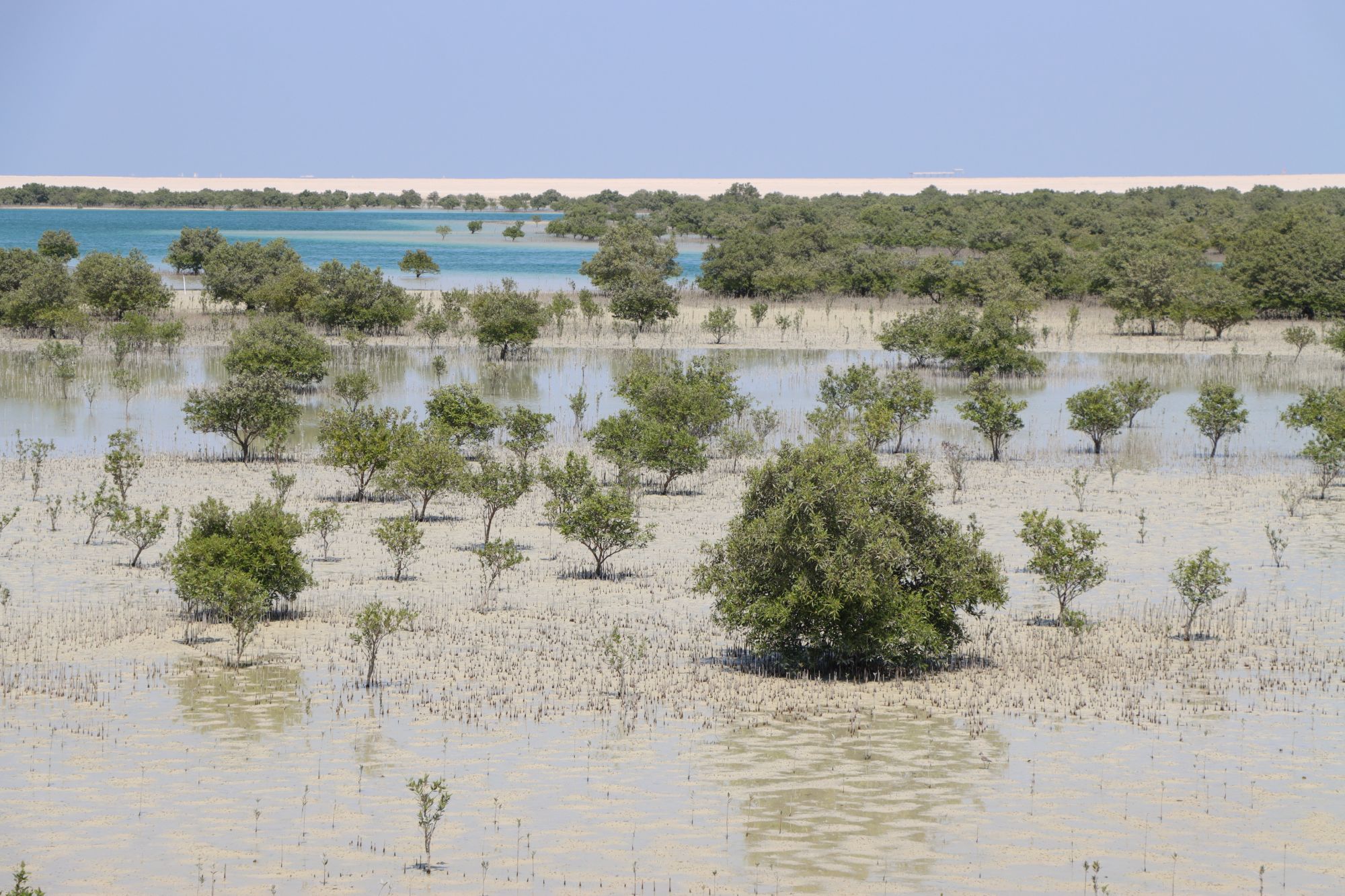
Read the State of the World’s Mangroves 2026 report closely and a more complicated picture emerges. Roughly 65 percent of recent gains sit in places where mangroves have never grown before, often colonising fresh sediments, some of them the downstream product of inland deforestation and intense erosion. Gains in India and the Philippines are real and encouraging, yet in Myanmar’s Ayeyarwady Delta and across parts of East Africa they barely register against decades of mangrove deforestation. Meanwhile, mangrove loss since the mid-1980s have averaged almost 500 square kilometres a year, and much of what disappears is original forest. A young stand spreading onto new sediment is not a replacement. It lacks the diversity, structure and ecological function of what was lost.
This is why the report’s sharpest distinction matters. Halting mangrove loss means halting the direct human destruction of original mangrove cover, not balancing the books with new growth elsewhere. Net gain is an accounting comfort, and a restoration sector that counts hectares planted while ignoring mangrove deforestation, and what actually survived, will congratulate itself into failure. The report quietly reinforces the point: degradation now outpaces outright loss, yet it barely features in global targets, and blue carbon accounting still leans on averaged stock values even though the science shows carbon varying across space and time.
The encouraging news is that the tools to measure what matters finally exist. Canopy height mapping now runs at six times previous resolution, revealing nearly 60 metre forests in Colombia and Gabon. Geospatial AI foundation models produce dense satellite embeddings at 10 to 30 metre resolution, and Global Mangrove Watch holds over five million reference points and more than 30,000 validation points stretching back decades. Global products are invaluable benchmarks, but restoration decisions are made locally. Companies such as Nabat have built their approach on precisely this shift: from mapping extent to verifying function, from counting area to tracking hydrology, species composition and recovery trajectories. Locally optimised intelligence is what turns a map into a recovered ecosystem.
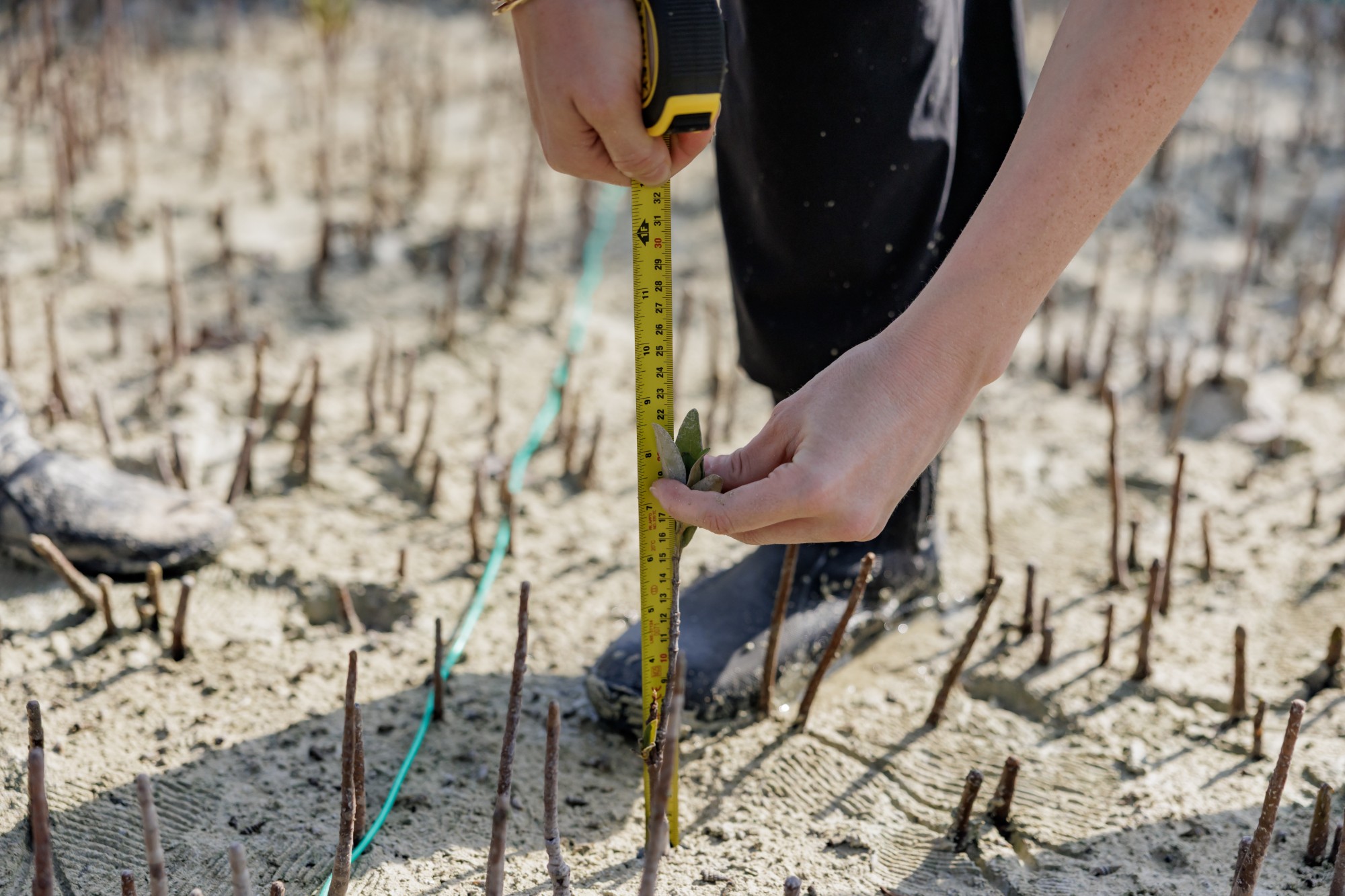
Technology alone restores nothing as a quick fix through mass plantings rarely work. Community-Based Ecological Mangrove Restoration, which rebuilds natural hydrology and lets the forest return largely on its own terms, became Kenya’s national standard in 2024, and on Indonesia’s Bengkalis Island it has been paired with binding village regulations and community management boards. The case studies span Brazil, Indonesia, Qatar, Tanzania, Ghana, Mexico and the Philippines. Qatar’s inclusion signals that the Gulf region is already part of the evidence base on how coastal restoration succeeds. The seascape findings deserve equal weight. Mangroves combined with seagrass and coral reefs blunt storm impacts far better than any habitat alone, and coastal wetlands reduce flood extents by about 5 percent, sparing almost half a million people and roughly two billion dollars in damages each year, over 85 percent of it in Asia and Africa. There is little margin for complacency: many mangroves can keep pace with 5 millimetres of annual sea level rise, but 7 millimetres may overwhelm them, a threshold tied directly to holding warming at two degrees.
The Mangrove Breakthrough aims to mobilise four billion dollars to protect and restore 15 million hectares by 2030, and carries endorsements from 29 countries plus states and cities. With 2026 marking the halfway point to the Global Mangrove Alliance’s 2030 goals, this is the moment to raise the standard of evidence, not lower it. In mangrove conservation, funders and governments should demand verified ecological outcomes rather than planting counts. Researchers should fold degradation and carbon variability into the targets themselves. Practitioners should put hydrology and communities first For MENA economies building blue carbon and nature finance agendas, the lesson is in capital follows credibility. For mangrove conservation, the maps show the retreat has stopped. What the sector chooses to measure next will decide whether it stays stopped.