%20--%3e%3cg%3e%3cg%20id='Layer_1'%3e%3cg%3e%3cg%3e%3cg%3e%3cg%3e%3cpath%20class='cls-1'%20d='M54.7,12.3c-1.4-1-3.3-1.6-5.5-1.6s-4.1.5-5.5,1.6c-1.7,1.2-2.5,2.9-2.5,5v11.8h5v-11.8c0-.4.1-.7.5-.9.6-.4,1.4-.6,2.6-.6s2,.2,2.6.6c.3.2.4.5.4.9v9.8c0,.5.2,1,.6,1.4.4.4.8.6,1.4.6h3v-11.8c0-2.1-.8-3.7-2.5-5Z'/%3e%3cpath%20class='cls-1'%20d='M75.4,11.1c-1,0-1.9.4-2.5,1.1-1.5-1.1-3.4-1.6-5.5-1.5s-4.4,1.1-6,2.7-2.7,4-2.7,6.5,1,4.9,2.7,6.7,4,2.7,6.6,2.7,3.4-.5,4.8-1.5c.6.7,1.4,1.1,2.5,1.1h1.7V11.1h-1.7ZM71.2,23.2c-.9.9-1.9,1.3-3.2,1.3s-2.3-.5-3.1-1.3-1.2-1.8-1.2-3,.4-2.3,1.2-3.1,1.9-1.3,3.1-1.3,2.2.4,3.1,1.3c.9.9,1.3,1.9,1.3,3.1s-.4,2.2-1.3,3.1h0Z'/%3e%3cpath%20class='cls-1'%20d='M89.5,10.7c-1.5,0-2.8.3-4,1v-6.8h-5v24.1h1.7c1,0,1.9-.4,2.5-1.1,1.5,1.1,3.2,1.6,5.2,1.5s4.7-1.1,6.3-2.8,2.7-4,2.7-6.5-.9-4.8-2.7-6.6c-1.8-1.8-4-2.7-6.6-2.7ZM92.6,23.2c-.9.9-1.9,1.3-3.1,1.3s-2.3-.5-3.1-1.3-1.3-1.9-1.3-3.1.5-2.3,1.3-3.1,1.9-1.3,3.1-1.3,2.3.5,3.1,1.3,1.3,1.9,1.3,3.1-.5,2.3-1.3,3.1Z'/%3e%3cpath%20class='cls-1'%20d='M116.3,11.1c-1,0-1.9.4-2.5,1.1-1.5-1.1-3.4-1.6-5.5-1.5s-4.4,1.1-6,2.7-2.7,4-2.7,6.5,1,4.9,2.7,6.7,4,2.7,6.6,2.7,3.4-.5,4.8-1.5c.6.7,1.4,1.1,2.5,1.1h1.7V11.1h-1.7ZM112.1,23.2c-.9.9-1.9,1.3-3.2,1.3s-2.3-.5-3.1-1.3-1.2-1.8-1.2-3,.4-2.3,1.2-3.1,1.9-1.3,3.1-1.3,2.2.4,3.1,1.3c.9.9,1.3,1.9,1.3,3.1s-.4,2.2-1.3,3.1h0Z'/%3e%3cpath%20class='cls-1'%20d='M157.2,11.1c-1,0-1.9.4-2.5,1.1-1.5-1.1-3.4-1.6-5.5-1.5s-4.4,1.1-6,2.7c-1.8,1.8-2.7,4-2.7,6.5s1,4.9,2.7,6.7,4,2.7,6.6,2.7,3.4-.5,4.8-1.5c.6.7,1.4,1.1,2.5,1.1h1.7V11.1h-1.7ZM153,23.2c-.9.9-1.9,1.3-3.2,1.3s-2.3-.5-3.1-1.3-1.2-1.8-1.2-3,.4-2.3,1.2-3.1,1.9-1.3,3.1-1.3,2.2.4,3.1,1.3c.9.9,1.3,1.9,1.3,3.1s-.4,2.2-1.3,3.1h0Z'/%3e%3cpath%20class='cls-1'%20d='M164.6,10.6c.8,0,1.5-.3,2.1-.9.6-.6.9-1.3.9-2.1s-.3-1.5-.9-2.1c-.6-.6-1.3-.9-2.1-.9s-1.5.3-2.1.9c-.6.6-.9,1.3-.9,2.1s.3,1.5.9,2.1c.6.6,1.3.9,2.1.9Z'/%3e%3c/g%3e%3cpath%20class='cls-1'%20d='M130.2,24c0,0-.2,0-.2.1-.3.2-1.8.3-2.3.3s-1.1-.1-1.4-.4c-.2-.2-.3-.6-.3-1.2v-6.8h2.4c.5,0,1-.2,1.4-.6.4-.4.6-.8.6-1.4v-3h-4.3v-1.6c0-.5-.1-1-.4-1.4-.7-1.1-1.7-1.6-2.8-1.6h-1.7v16.4c0,1.9.6,3.5,1.9,4.7,1.2,1.2,2.8,1.8,4.8,1.8s1.8,0,2.6-.2v-5.3Z'/%3e%3c/g%3e%3crect%20class='cls-1'%20x='162'%20y='11.6'%20width='5'%20height='17.6'/%3e%3cpath%20class='cls-1'%20d='M139.6,26.1c0,1.8-1.5,3.3-3.3,3.3s-2.6-.2-2.8-.2c0,0-.5-2.2-.5-3.1,0-1.8,1.5-3.3,3.3-3.3s2.8.1,3,.4c.2.4.4,2,.4,3Z'/%3e%3c/g%3e%3cpath%20class='cls-1'%20d='M29.3,17.5c-1.9,0-3.5,1.3-3.9,3h-.3c-2.8,0-5.3,1.2-7,3.1v-4.9c0-3.3.5-4.5,3.2-4.6.5,1.6,2,2.7,3.8,2.7s4-1.8,4-4-1.8-4-4-4-3.3,1.2-3.8,2.9c-1.3,0-2.3.3-3.1.7v-4.6c1.6-.5,2.7-2,2.7-3.8S19,.2,16.8.2s-4,1.8-4,4,1.2,3.3,2.9,3.8v4.6c-.8-.5-1.9-.7-3.3-.8-.5-1.7-2-2.9-3.8-2.9s-4,1.8-4,4,1.8,4,4,4,3.2-1.1,3.8-2.7c0,0,0,0,0,0,2.8,0,3.3,1.1,3.3,4.6v4.9c-1.7-1.9-4.2-3.1-7-3.1h-.7c-.4-1.7-2-3-3.9-3S0,19.3,0,21.5s1.8,4,4,4,3.1-1,3.7-2.5h.9c3.9,0,7,3.1,7,7v1.6h-4.2c-.7,0-1.2.5-1.2,1.2s.5,1.2,1.2,1.2h10.9c.7,0,1.2-.5,1.2-1.2s-.5-1.2-1.2-1.2h-4.2v-1.6c0-3.9,3.2-7,7-7h.5c.6,1.5,2,2.5,3.7,2.5s4-1.8,4-4-1.8-4-4-4ZM25,11.4c.9,0,1.6.7,1.6,1.6s-.7,1.6-1.6,1.6-1.6-.7-1.6-1.6.7-1.6,1.6-1.6ZM8.6,14.5c-.9,0-1.6-.7-1.6-1.6s.7-1.6,1.6-1.6,1.6.7,1.6,1.6-.7,1.6-1.6,1.6ZM4.1,23.1c-.9,0-1.6-.7-1.6-1.6s.7-1.6,1.6-1.6,1.6.7,1.6,1.6-.7,1.6-1.6,1.6ZM16.8,5.7c-.9,0-1.6-.7-1.6-1.6s.7-1.6,1.6-1.6,1.6.7,1.6,1.6-.7,1.6-1.6,1.6ZM29.3,23.1s0,0,0,0c0,0,0,0,0,0,0,0-.1,0-.2,0,0,0,0,0,0,0-.8-.1-1.3-.8-1.3-1.5s.6-1.5,1.4-1.6c0,0,0,0,0,0,0,0,0,0,0,0s0,0,0,0c0,0,0,0,0,0,.9,0,1.6.7,1.6,1.6s-.7,1.6-1.6,1.6Z'/%3e%3c/g%3e%3c/g%3e%3c/g%3e%3c/svg%3e)

For decades, ecosystem restoration has been measured using simple, visible metrics such as the number of trees planted and hectares restored - figures that are easy to report but don’t necessarily signal impact.
Counting trees or hectares captures activity, but it doesn’t tell us whether restoration efforts are working. A site can meet ambitious planting targets and still fail to develop the diversity and resilience that define a functioning ecosystem, while being labeled as restored on paper but remaining fragile. If restoration is to deliver lasting value, measurement needs to center on ecological outcomes, not just activity - on whether ecosystems are regaining their ability to function and sustain themselves over time, not only on what was planted.
Indicators of real recovery
At Nabat, we evaluate restoration success through ecological signals that reflect system performance, starting with vegetation establishment.
Vegetation establishment is one of these signals, but what truly matters is survival over time and the emergence of natural regeneration. When native species begin to recruit and spread without continuous planting, it indicates that environmental conditions are aligned and that the system is starting to support itself.
Biodiversity recovery provides another layer of insight. It is often discussed in broad terms, but in practice it requires precise measurement through species richness and diversity indices as a starting point.
The presence of indicator or keystone species, patterns of habitat use, and the reappearance of trophic interactions - the feeding relationships between organisms that drive nutrient cycling and energy flow through the system - all reveal whether the ecosystem is rebuilding its internal balance. The objective is not simply to increase the number of species, but to restore functional diversity and interactions that sustain life and reinforce long-term stability.
The role of water, soil and system dynamics
Hydrology is one of the most critical and frequently overlooked factors, because water flow defines the conditions under which ecosystems exist. In coastal systems such as mangroves, tidal dynamics regulate oxygen availability, nutrient exchange, and sediment movement. In dryland environments, even minor variations in water availability can determine whether vegetation establishes or fails.
Hydrology also sets salinity, soil moisture, and nutrient dynamics, which are all factors that shape species composition and productivity from the outset. When it is misaligned, planting efforts rarely succeed.
Soil and sediment processes are equally important. In coastal environments, sediment dynamics influence elevation and root anchorage. In dryland systems, soil structure governs infiltration and seedling recruitment. If soils are eroded or nutrient-deficient, restoration outcomes will remain limited.
When these elements come together, intervention becomes less necessary and natural processes take over.
This transition is one of the clearest indicators of recovery. Native vegetation regenerates without planting. Faunal activity increases, reintroducing ecological interactions. Soil processes stabilize and nutrient cycles re-establish. The system begins to reorganize itself, moving from a managed state toward autonomy. Restoration, at its core, is about enabling that transition.
Proving impact in a more scrutinized landscape
This shift in measurement also responds to a broader change in expectations, as restoration becomes linked to climate commitments and carbon markets where scrutiny around impact and credibility is rising.
Credible monitoring requires long-term data, clear ecological and carbon indicators, and transparent reporting. Without it, restoration risks being reduced to claims that are difficult to verify.
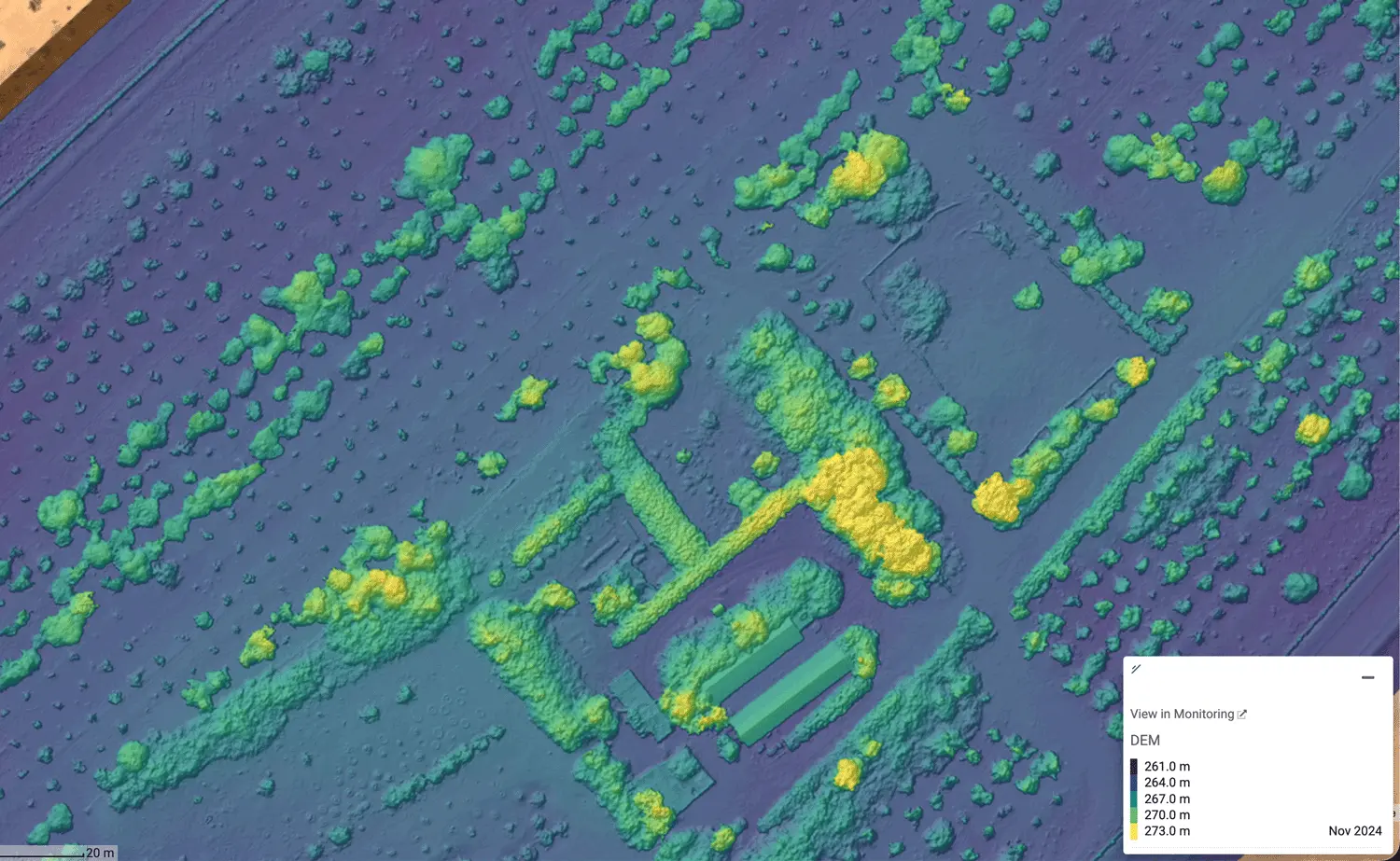
Today, remote sensing, artificial intelligence, and ecological models, coupled with field validations, are expanding our ability to meet this standard, allowing for consistent monitoring across large landscapes, detection of change over time, and integration of multiple data sources into a clearer picture of ecosystem performance.
The value of these tools depends entirely on how they are applied - data must be grounded in ecological understanding and validated in the field, not treated as a substitute for it.
At Nabat, this integration sits at the core of our operating model - technology, science, and field expertise are not separate inputs but a single, continuously updated picture of what is happening on the ground.
The shift from measuring outputs to measuring ecosystem function changes project design fundamentally. It demands greater emphasis on baseline assessments, hydrology, and soil processes from the outset. Monitoring must extend over longer timeframes - mangrove restoration science indicates that meaningful recovery assessment requires at minimum five to ten years - with adaptive management structures that respond to what the data shows rather than what the project plan assumed. In practice, as an example this means adjusting seeding density and flight corridor placement based on first-season survival data, or modifying site selection criteria when hydrological monitoring reveals unexpected tidal variability.
Restoration that is system-driven rather than activity-driven is not an aspiration - it is what the science, the finance, and the ecosystems themselves now require.