%20--%3e%3cg%3e%3cg%20id='Layer_1'%3e%3cg%3e%3cg%3e%3cg%3e%3cg%3e%3cpath%20class='cls-1'%20d='M54.7,12.3c-1.4-1-3.3-1.6-5.5-1.6s-4.1.5-5.5,1.6c-1.7,1.2-2.5,2.9-2.5,5v11.8h5v-11.8c0-.4.1-.7.5-.9.6-.4,1.4-.6,2.6-.6s2,.2,2.6.6c.3.2.4.5.4.9v9.8c0,.5.2,1,.6,1.4.4.4.8.6,1.4.6h3v-11.8c0-2.1-.8-3.7-2.5-5Z'/%3e%3cpath%20class='cls-1'%20d='M75.4,11.1c-1,0-1.9.4-2.5,1.1-1.5-1.1-3.4-1.6-5.5-1.5s-4.4,1.1-6,2.7-2.7,4-2.7,6.5,1,4.9,2.7,6.7,4,2.7,6.6,2.7,3.4-.5,4.8-1.5c.6.7,1.4,1.1,2.5,1.1h1.7V11.1h-1.7ZM71.2,23.2c-.9.9-1.9,1.3-3.2,1.3s-2.3-.5-3.1-1.3-1.2-1.8-1.2-3,.4-2.3,1.2-3.1,1.9-1.3,3.1-1.3,2.2.4,3.1,1.3c.9.9,1.3,1.9,1.3,3.1s-.4,2.2-1.3,3.1h0Z'/%3e%3cpath%20class='cls-1'%20d='M89.5,10.7c-1.5,0-2.8.3-4,1v-6.8h-5v24.1h1.7c1,0,1.9-.4,2.5-1.1,1.5,1.1,3.2,1.6,5.2,1.5s4.7-1.1,6.3-2.8,2.7-4,2.7-6.5-.9-4.8-2.7-6.6c-1.8-1.8-4-2.7-6.6-2.7ZM92.6,23.2c-.9.9-1.9,1.3-3.1,1.3s-2.3-.5-3.1-1.3-1.3-1.9-1.3-3.1.5-2.3,1.3-3.1,1.9-1.3,3.1-1.3,2.3.5,3.1,1.3,1.3,1.9,1.3,3.1-.5,2.3-1.3,3.1Z'/%3e%3cpath%20class='cls-1'%20d='M116.3,11.1c-1,0-1.9.4-2.5,1.1-1.5-1.1-3.4-1.6-5.5-1.5s-4.4,1.1-6,2.7-2.7,4-2.7,6.5,1,4.9,2.7,6.7,4,2.7,6.6,2.7,3.4-.5,4.8-1.5c.6.7,1.4,1.1,2.5,1.1h1.7V11.1h-1.7ZM112.1,23.2c-.9.9-1.9,1.3-3.2,1.3s-2.3-.5-3.1-1.3-1.2-1.8-1.2-3,.4-2.3,1.2-3.1,1.9-1.3,3.1-1.3,2.2.4,3.1,1.3c.9.9,1.3,1.9,1.3,3.1s-.4,2.2-1.3,3.1h0Z'/%3e%3cpath%20class='cls-1'%20d='M157.2,11.1c-1,0-1.9.4-2.5,1.1-1.5-1.1-3.4-1.6-5.5-1.5s-4.4,1.1-6,2.7c-1.8,1.8-2.7,4-2.7,6.5s1,4.9,2.7,6.7,4,2.7,6.6,2.7,3.4-.5,4.8-1.5c.6.7,1.4,1.1,2.5,1.1h1.7V11.1h-1.7ZM153,23.2c-.9.9-1.9,1.3-3.2,1.3s-2.3-.5-3.1-1.3-1.2-1.8-1.2-3,.4-2.3,1.2-3.1,1.9-1.3,3.1-1.3,2.2.4,3.1,1.3c.9.9,1.3,1.9,1.3,3.1s-.4,2.2-1.3,3.1h0Z'/%3e%3cpath%20class='cls-1'%20d='M164.6,10.6c.8,0,1.5-.3,2.1-.9.6-.6.9-1.3.9-2.1s-.3-1.5-.9-2.1c-.6-.6-1.3-.9-2.1-.9s-1.5.3-2.1.9c-.6.6-.9,1.3-.9,2.1s.3,1.5.9,2.1c.6.6,1.3.9,2.1.9Z'/%3e%3c/g%3e%3cpath%20class='cls-1'%20d='M130.2,24c0,0-.2,0-.2.1-.3.2-1.8.3-2.3.3s-1.1-.1-1.4-.4c-.2-.2-.3-.6-.3-1.2v-6.8h2.4c.5,0,1-.2,1.4-.6.4-.4.6-.8.6-1.4v-3h-4.3v-1.6c0-.5-.1-1-.4-1.4-.7-1.1-1.7-1.6-2.8-1.6h-1.7v16.4c0,1.9.6,3.5,1.9,4.7,1.2,1.2,2.8,1.8,4.8,1.8s1.8,0,2.6-.2v-5.3Z'/%3e%3c/g%3e%3crect%20class='cls-1'%20x='162'%20y='11.6'%20width='5'%20height='17.6'/%3e%3cpath%20class='cls-1'%20d='M139.6,26.1c0,1.8-1.5,3.3-3.3,3.3s-2.6-.2-2.8-.2c0,0-.5-2.2-.5-3.1,0-1.8,1.5-3.3,3.3-3.3s2.8.1,3,.4c.2.4.4,2,.4,3Z'/%3e%3c/g%3e%3cpath%20class='cls-1'%20d='M29.3,17.5c-1.9,0-3.5,1.3-3.9,3h-.3c-2.8,0-5.3,1.2-7,3.1v-4.9c0-3.3.5-4.5,3.2-4.6.5,1.6,2,2.7,3.8,2.7s4-1.8,4-4-1.8-4-4-4-3.3,1.2-3.8,2.9c-1.3,0-2.3.3-3.1.7v-4.6c1.6-.5,2.7-2,2.7-3.8S19,.2,16.8.2s-4,1.8-4,4,1.2,3.3,2.9,3.8v4.6c-.8-.5-1.9-.7-3.3-.8-.5-1.7-2-2.9-3.8-2.9s-4,1.8-4,4,1.8,4,4,4,3.2-1.1,3.8-2.7c0,0,0,0,0,0,2.8,0,3.3,1.1,3.3,4.6v4.9c-1.7-1.9-4.2-3.1-7-3.1h-.7c-.4-1.7-2-3-3.9-3S0,19.3,0,21.5s1.8,4,4,4,3.1-1,3.7-2.5h.9c3.9,0,7,3.1,7,7v1.6h-4.2c-.7,0-1.2.5-1.2,1.2s.5,1.2,1.2,1.2h10.9c.7,0,1.2-.5,1.2-1.2s-.5-1.2-1.2-1.2h-4.2v-1.6c0-3.9,3.2-7,7-7h.5c.6,1.5,2,2.5,3.7,2.5s4-1.8,4-4-1.8-4-4-4ZM25,11.4c.9,0,1.6.7,1.6,1.6s-.7,1.6-1.6,1.6-1.6-.7-1.6-1.6.7-1.6,1.6-1.6ZM8.6,14.5c-.9,0-1.6-.7-1.6-1.6s.7-1.6,1.6-1.6,1.6.7,1.6,1.6-.7,1.6-1.6,1.6ZM4.1,23.1c-.9,0-1.6-.7-1.6-1.6s.7-1.6,1.6-1.6,1.6.7,1.6,1.6-.7,1.6-1.6,1.6ZM16.8,5.7c-.9,0-1.6-.7-1.6-1.6s.7-1.6,1.6-1.6,1.6.7,1.6,1.6-.7,1.6-1.6,1.6ZM29.3,23.1s0,0,0,0c0,0,0,0,0,0,0,0-.1,0-.2,0,0,0,0,0,0,0-.8-.1-1.3-.8-1.3-1.5s.6-1.5,1.4-1.6c0,0,0,0,0,0,0,0,0,0,0,0s0,0,0,0c0,0,0,0,0,0,.9,0,1.6.7,1.6,1.6s-.7,1.6-1.6,1.6Z'/%3e%3c/g%3e%3c/g%3e%3c/g%3e%3c/svg%3e)

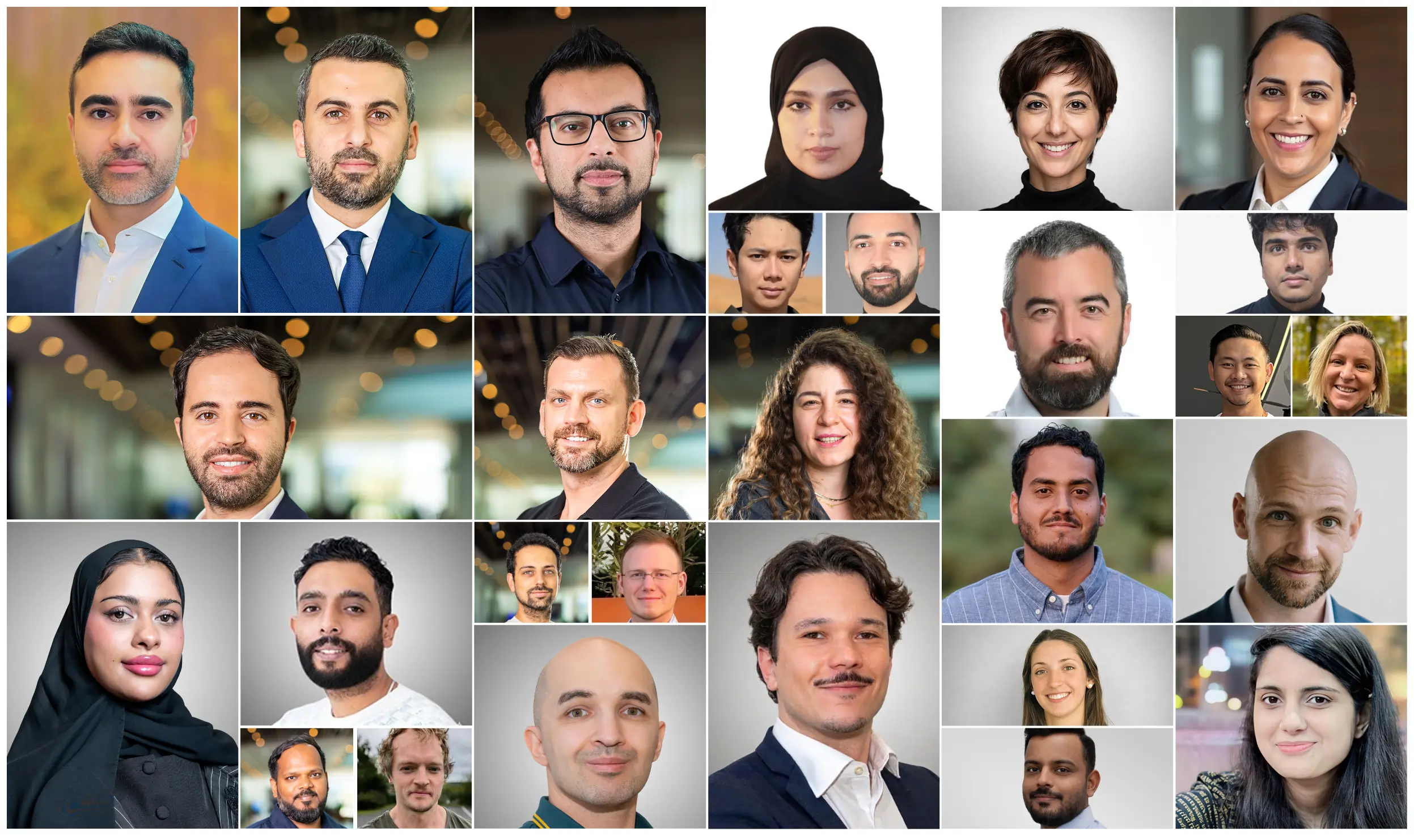
At Nabat, conversations about technology rarely begin with technology alone. They begin with purpose - and with the people building it.
Nabat was created to restore ecosystems at scale using AI and autonomous robotics, supported by advanced geospatial intelligence and ecosystem science.
But the ambition goes further than deploying new tools. Nabat is building a unified ecosystem management platform designed to make nature action precise, scalable, and verifiable. The platform brings together ecosystem intelligence, technology-led restoration, and digital monitoring systems to understand ecosystems, intervene with precisions, and measure outcomes over time.
The first focus is mangrove rehabilitation - a critical component of coastal resilience. Mangroves stabilize shorelines, protect biodiversity, and store significant amounts of carbon. Nabat is now expanding its capabilities to support other habitats, including arid and marine.
Yes while the technology is sophisticated, what truly defines Nabat is the team behind it.
A mission driven by a passion for nature
At its core, Nabat exists to restore natural ecosystems. Technology is simply the means to achieve that goal.
For Mehdi Ajana, Head of Strategy, that clarity is what makes the work meaningful.
“Working on Nabat brings together everything we care about. Using technology in service of the environment isn’t just work - it’s a calling,” says Ajana. “Just as important is attracting mission-driven talent who is energized by the promise of environmental restoration.”
Across the team, that same sense of purpose is shared.
The drive to build innovation that matters - solutions that strengthen ecosystems and support long term climate resilience - is what motivates the people behind Nabat.
That perspective shapes how restoration is approached on the ground.
With a background in marine biology, Operations Manager Nada ElShanawany views every site as a living system rather than a blank canvas. “You cannot separate planting from ecology,” she explains. “If restoration is going to last, you have to respect how the habitat functions.” Her ecological expertise informs where restoration interventions occur, how drone deployments are planned, and how success is measured overtime.
On the product side, Chief Product Officer Taha Ghaznavi sees the challenge in borader terms. “We are building systems that can help rebalance ecosystems,” he says. “That connects directly to climate resilience and the long-term security of food systems.”
Under his leadership, mapping technologies, drone seeding systems, and monitoring platforms operate as a connected system. Each deployment generates new data, and each cycle improves the next. The goals is not just restorations but learning ecosystems that continuously improve how restoration is delivered.
One team, one system
If mission provides direction, team spirit provides momentum.
Restoring ecosystems at scale requires engineers, ecologists, operators, and strategists to work as one.
“You cannot restore an ecosystem in silos,” says Georges Ibrahim, Vice President of Operations. “Field logistics, airspace approvals, environmental assessments, and software development all depend on each other.”
His role ensures that the technology designed in development environents performs reliably in real world conditions. Drone missions must align with ecological insights, regulatory requirements, and operational realities.
Restoring ecosystems at scale also requires constant learning between teams.
Engineering decisions are shaped by field experience. Environmental insights influence how algorithms evolve. Each deployment generates new data that helps refine how restoration is delivered.
This continuous feedback loop allows Nabat to improve its systems with every mission, bringing together robotics, ecological expertise, and operational experience into a single integrated platform.
The result is a technology system designed not just to deploy restoration at scale, but to learn from ecosystems and continuously improve how nature recovery is managed over time.
This approach reflects a culture built on trust and shared ownership.
Ideas are debated openly. Challenges are surfaced early. And success is measured not by individual contributions, but by the strength of the ecosystem outcomes the team delivers together.
The diversity of the Nabat team is also a defining strength. Scientists, engineers, ecologists, and operators from different geographies and disciplines bring complementary perspectives to a shared challenge.
That blend of expertise allows the technology to function as a cohesive systems, guided by a mission to restore ecosystems at scale and strengthen the natural systems future generations depend on. Together, the team is building more than a set of tools. Nabat is developing a unified ecosystem management platform designed to make nature action precise, scalable, and verifiable.