%20--%3e%3cg%3e%3cg%20id='Layer_1'%3e%3cg%3e%3cg%3e%3cg%3e%3cg%3e%3cpath%20class='cls-1'%20d='M54.7,12.3c-1.4-1-3.3-1.6-5.5-1.6s-4.1.5-5.5,1.6c-1.7,1.2-2.5,2.9-2.5,5v11.8h5v-11.8c0-.4.1-.7.5-.9.6-.4,1.4-.6,2.6-.6s2,.2,2.6.6c.3.2.4.5.4.9v9.8c0,.5.2,1,.6,1.4.4.4.8.6,1.4.6h3v-11.8c0-2.1-.8-3.7-2.5-5Z'/%3e%3cpath%20class='cls-1'%20d='M75.4,11.1c-1,0-1.9.4-2.5,1.1-1.5-1.1-3.4-1.6-5.5-1.5s-4.4,1.1-6,2.7-2.7,4-2.7,6.5,1,4.9,2.7,6.7,4,2.7,6.6,2.7,3.4-.5,4.8-1.5c.6.7,1.4,1.1,2.5,1.1h1.7V11.1h-1.7ZM71.2,23.2c-.9.9-1.9,1.3-3.2,1.3s-2.3-.5-3.1-1.3-1.2-1.8-1.2-3,.4-2.3,1.2-3.1,1.9-1.3,3.1-1.3,2.2.4,3.1,1.3c.9.9,1.3,1.9,1.3,3.1s-.4,2.2-1.3,3.1h0Z'/%3e%3cpath%20class='cls-1'%20d='M89.5,10.7c-1.5,0-2.8.3-4,1v-6.8h-5v24.1h1.7c1,0,1.9-.4,2.5-1.1,1.5,1.1,3.2,1.6,5.2,1.5s4.7-1.1,6.3-2.8,2.7-4,2.7-6.5-.9-4.8-2.7-6.6c-1.8-1.8-4-2.7-6.6-2.7ZM92.6,23.2c-.9.9-1.9,1.3-3.1,1.3s-2.3-.5-3.1-1.3-1.3-1.9-1.3-3.1.5-2.3,1.3-3.1,1.9-1.3,3.1-1.3,2.3.5,3.1,1.3,1.3,1.9,1.3,3.1-.5,2.3-1.3,3.1Z'/%3e%3cpath%20class='cls-1'%20d='M116.3,11.1c-1,0-1.9.4-2.5,1.1-1.5-1.1-3.4-1.6-5.5-1.5s-4.4,1.1-6,2.7-2.7,4-2.7,6.5,1,4.9,2.7,6.7,4,2.7,6.6,2.7,3.4-.5,4.8-1.5c.6.7,1.4,1.1,2.5,1.1h1.7V11.1h-1.7ZM112.1,23.2c-.9.9-1.9,1.3-3.2,1.3s-2.3-.5-3.1-1.3-1.2-1.8-1.2-3,.4-2.3,1.2-3.1,1.9-1.3,3.1-1.3,2.2.4,3.1,1.3c.9.9,1.3,1.9,1.3,3.1s-.4,2.2-1.3,3.1h0Z'/%3e%3cpath%20class='cls-1'%20d='M157.2,11.1c-1,0-1.9.4-2.5,1.1-1.5-1.1-3.4-1.6-5.5-1.5s-4.4,1.1-6,2.7c-1.8,1.8-2.7,4-2.7,6.5s1,4.9,2.7,6.7,4,2.7,6.6,2.7,3.4-.5,4.8-1.5c.6.7,1.4,1.1,2.5,1.1h1.7V11.1h-1.7ZM153,23.2c-.9.9-1.9,1.3-3.2,1.3s-2.3-.5-3.1-1.3-1.2-1.8-1.2-3,.4-2.3,1.2-3.1,1.9-1.3,3.1-1.3,2.2.4,3.1,1.3c.9.9,1.3,1.9,1.3,3.1s-.4,2.2-1.3,3.1h0Z'/%3e%3cpath%20class='cls-1'%20d='M164.6,10.6c.8,0,1.5-.3,2.1-.9.6-.6.9-1.3.9-2.1s-.3-1.5-.9-2.1c-.6-.6-1.3-.9-2.1-.9s-1.5.3-2.1.9c-.6.6-.9,1.3-.9,2.1s.3,1.5.9,2.1c.6.6,1.3.9,2.1.9Z'/%3e%3c/g%3e%3cpath%20class='cls-1'%20d='M130.2,24c0,0-.2,0-.2.1-.3.2-1.8.3-2.3.3s-1.1-.1-1.4-.4c-.2-.2-.3-.6-.3-1.2v-6.8h2.4c.5,0,1-.2,1.4-.6.4-.4.6-.8.6-1.4v-3h-4.3v-1.6c0-.5-.1-1-.4-1.4-.7-1.1-1.7-1.6-2.8-1.6h-1.7v16.4c0,1.9.6,3.5,1.9,4.7,1.2,1.2,2.8,1.8,4.8,1.8s1.8,0,2.6-.2v-5.3Z'/%3e%3c/g%3e%3crect%20class='cls-1'%20x='162'%20y='11.6'%20width='5'%20height='17.6'/%3e%3cpath%20class='cls-1'%20d='M139.6,26.1c0,1.8-1.5,3.3-3.3,3.3s-2.6-.2-2.8-.2c0,0-.5-2.2-.5-3.1,0-1.8,1.5-3.3,3.3-3.3s2.8.1,3,.4c.2.4.4,2,.4,3Z'/%3e%3c/g%3e%3cpath%20class='cls-1'%20d='M29.3,17.5c-1.9,0-3.5,1.3-3.9,3h-.3c-2.8,0-5.3,1.2-7,3.1v-4.9c0-3.3.5-4.5,3.2-4.6.5,1.6,2,2.7,3.8,2.7s4-1.8,4-4-1.8-4-4-4-3.3,1.2-3.8,2.9c-1.3,0-2.3.3-3.1.7v-4.6c1.6-.5,2.7-2,2.7-3.8S19,.2,16.8.2s-4,1.8-4,4,1.2,3.3,2.9,3.8v4.6c-.8-.5-1.9-.7-3.3-.8-.5-1.7-2-2.9-3.8-2.9s-4,1.8-4,4,1.8,4,4,4,3.2-1.1,3.8-2.7c0,0,0,0,0,0,2.8,0,3.3,1.1,3.3,4.6v4.9c-1.7-1.9-4.2-3.1-7-3.1h-.7c-.4-1.7-2-3-3.9-3S0,19.3,0,21.5s1.8,4,4,4,3.1-1,3.7-2.5h.9c3.9,0,7,3.1,7,7v1.6h-4.2c-.7,0-1.2.5-1.2,1.2s.5,1.2,1.2,1.2h10.9c.7,0,1.2-.5,1.2-1.2s-.5-1.2-1.2-1.2h-4.2v-1.6c0-3.9,3.2-7,7-7h.5c.6,1.5,2,2.5,3.7,2.5s4-1.8,4-4-1.8-4-4-4ZM25,11.4c.9,0,1.6.7,1.6,1.6s-.7,1.6-1.6,1.6-1.6-.7-1.6-1.6.7-1.6,1.6-1.6ZM8.6,14.5c-.9,0-1.6-.7-1.6-1.6s.7-1.6,1.6-1.6,1.6.7,1.6,1.6-.7,1.6-1.6,1.6ZM4.1,23.1c-.9,0-1.6-.7-1.6-1.6s.7-1.6,1.6-1.6,1.6.7,1.6,1.6-.7,1.6-1.6,1.6ZM16.8,5.7c-.9,0-1.6-.7-1.6-1.6s.7-1.6,1.6-1.6,1.6.7,1.6,1.6-.7,1.6-1.6,1.6ZM29.3,23.1s0,0,0,0c0,0,0,0,0,0,0,0-.1,0-.2,0,0,0,0,0,0,0-.8-.1-1.3-.8-1.3-1.5s.6-1.5,1.4-1.6c0,0,0,0,0,0,0,0,0,0,0,0s0,0,0,0c0,0,0,0,0,0,.9,0,1.6.7,1.6,1.6s-.7,1.6-1.6,1.6Z'/%3e%3c/g%3e%3c/g%3e%3c/g%3e%3c/svg%3e)

Momentum is accelerating behind nature-based solutions, not only as a climate imperative, but as a strategic pathway to resilience and long-term economic security.
Governments, businesses, and investors are recognizing that restoring ecosystems has become an essential way to strengthen infrastructure, protect communities, and create economic security in a warming world.
At the heart of this shift is a simple insight. When nature is healthy, economies are more stable. This shift underpins Nabat’s approach, which is that restoration must function as core infrastructure, predictable, measurable, and built for long-term resilience.
Restoration is a necessary investment in economic security, resilience, and long-term value creation. And when restoration is backed by the right technology, it becomes not only possible, but scalable, measurable, and investable.
The conversation around restoration is often oversimplified, especially when it comes to evaluating its financial logic. It isn’t a straightforward ROI calculation and shouldn’t be treated as one. Restoration doesn’t follow a conventional ROI model, and it shouldn’t. Its value compounds over time, across sectors, and across communities.
Unlike conventional infrastructure, ecosystem restoration doesn’t always yield immediate or direct financial returns. Carbon credits are one possible revenue stream, but they rarely capture the full value of what restored ecosystems provide.
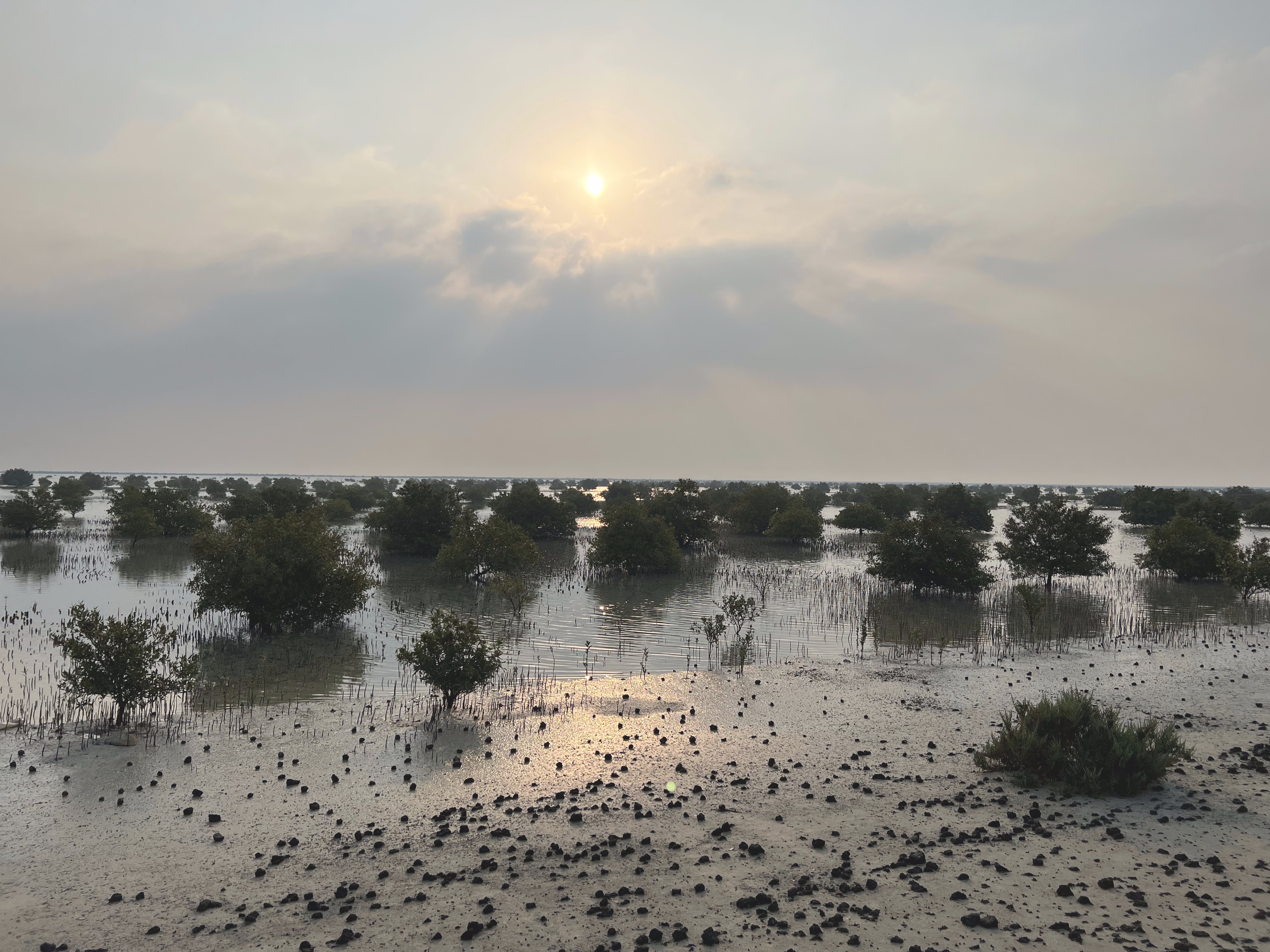
Many of the financial benefits of restoration show up not as revenue, but as avoided losses such as reduced disaster costs, fewer operational disruptions, and strengthened natural infrastructure. Mangroves reduce storm damage, protect coastlines, support fisheries, filter water, and sequester carbon, which represents a portfolio of benefits no engineered solution can replicate.
Because this value is dispersed and complex, it’s often overlooked or underfunded. To change that, we need to shift the financial lens, from short-term payback to long-term resilience.
Restoration mitigates risk. It protects people, assets, and supply chains, making it a rational strategic investment.
While restoration is often more affordable in regions with lower land and labor costs, climate risk is universal, and restoration needs to be universal too. High-cost economies cannot be excluded from resilience planning.
Technology as a financial multiplier
Technology is the multiplier that makes large-scale restoration viable, consistent, and investable.
At Nabat, this is exactly what we are building, a platform that merges ecological intelligence with automation to make restoration operationally feasible everywhere, from coastal megacities to remote, arid landscapes.
Technology has transformed the restoration equation. Artificial intelligence (AI) models can guide where and how to intervene. Drones can carry out replanting over difficult, hard to reach terrain. Robotics reduce reliance on manual labor. These technologies have become essential tools for making large-scale restoration operationally feasible and financially rational, especially in high-cost markets. They improve precision and reduce implementation costs. Most importantly, these tools generate real-time data.
This data has enormous value. It enables real monitoring, reporting, and verification, supports risk modelling, strengthens policy planning, and allows investors and governments to validate ecological outcomes with confidence. It allows stakeholders to measure impact, track biodiversity gains, monitor carbon capture, and adapt strategies as needed. For investors, insurers, and governments, the availability of data creates transparency and accountability, which are prerequisites for any serious capital commitment.
Nabat’s platform makes this possible. It translates ecological complexity into structured, measurable, and financially actionable processes, and by doing so, it moves restoration from a labor-intensive, opaque effort into one that is auditable, scalable, and aligned with investment standards. It turns restoration into an investable asset class that is backed by evidence, powered by real-time measurement, and aligned with the standards governments and investors require.
We’re entering an era where climate resilience and economic security are deeply interconnected, and ecosystem restoration is one of the smartest ways to reinforce both.
From stabilizing coastlines to protecting freshwater supplies, healthy ecosystems are silent enablers of economic stability. Restoring them at scale demands solutions that are cost-effective, measurable, and built to last.
At Nabat, we’re proud to support this shift. If we want a future that’s resilient and secure, we need to start treating nature as core infrastructure and invest in it accordingly.
The tools are here. The opportunity is clear. Now is the time to build something stronger.