%20--%3e%3cg%3e%3cg%20id='Layer_1'%3e%3cg%3e%3cg%3e%3cg%3e%3cg%3e%3cpath%20class='cls-1'%20d='M54.7,12.3c-1.4-1-3.3-1.6-5.5-1.6s-4.1.5-5.5,1.6c-1.7,1.2-2.5,2.9-2.5,5v11.8h5v-11.8c0-.4.1-.7.5-.9.6-.4,1.4-.6,2.6-.6s2,.2,2.6.6c.3.2.4.5.4.9v9.8c0,.5.2,1,.6,1.4.4.4.8.6,1.4.6h3v-11.8c0-2.1-.8-3.7-2.5-5Z'/%3e%3cpath%20class='cls-1'%20d='M75.4,11.1c-1,0-1.9.4-2.5,1.1-1.5-1.1-3.4-1.6-5.5-1.5s-4.4,1.1-6,2.7-2.7,4-2.7,6.5,1,4.9,2.7,6.7,4,2.7,6.6,2.7,3.4-.5,4.8-1.5c.6.7,1.4,1.1,2.5,1.1h1.7V11.1h-1.7ZM71.2,23.2c-.9.9-1.9,1.3-3.2,1.3s-2.3-.5-3.1-1.3-1.2-1.8-1.2-3,.4-2.3,1.2-3.1,1.9-1.3,3.1-1.3,2.2.4,3.1,1.3c.9.9,1.3,1.9,1.3,3.1s-.4,2.2-1.3,3.1h0Z'/%3e%3cpath%20class='cls-1'%20d='M89.5,10.7c-1.5,0-2.8.3-4,1v-6.8h-5v24.1h1.7c1,0,1.9-.4,2.5-1.1,1.5,1.1,3.2,1.6,5.2,1.5s4.7-1.1,6.3-2.8,2.7-4,2.7-6.5-.9-4.8-2.7-6.6c-1.8-1.8-4-2.7-6.6-2.7ZM92.6,23.2c-.9.9-1.9,1.3-3.1,1.3s-2.3-.5-3.1-1.3-1.3-1.9-1.3-3.1.5-2.3,1.3-3.1,1.9-1.3,3.1-1.3,2.3.5,3.1,1.3,1.3,1.9,1.3,3.1-.5,2.3-1.3,3.1Z'/%3e%3cpath%20class='cls-1'%20d='M116.3,11.1c-1,0-1.9.4-2.5,1.1-1.5-1.1-3.4-1.6-5.5-1.5s-4.4,1.1-6,2.7-2.7,4-2.7,6.5,1,4.9,2.7,6.7,4,2.7,6.6,2.7,3.4-.5,4.8-1.5c.6.7,1.4,1.1,2.5,1.1h1.7V11.1h-1.7ZM112.1,23.2c-.9.9-1.9,1.3-3.2,1.3s-2.3-.5-3.1-1.3-1.2-1.8-1.2-3,.4-2.3,1.2-3.1,1.9-1.3,3.1-1.3,2.2.4,3.1,1.3c.9.9,1.3,1.9,1.3,3.1s-.4,2.2-1.3,3.1h0Z'/%3e%3cpath%20class='cls-1'%20d='M157.2,11.1c-1,0-1.9.4-2.5,1.1-1.5-1.1-3.4-1.6-5.5-1.5s-4.4,1.1-6,2.7c-1.8,1.8-2.7,4-2.7,6.5s1,4.9,2.7,6.7,4,2.7,6.6,2.7,3.4-.5,4.8-1.5c.6.7,1.4,1.1,2.5,1.1h1.7V11.1h-1.7ZM153,23.2c-.9.9-1.9,1.3-3.2,1.3s-2.3-.5-3.1-1.3-1.2-1.8-1.2-3,.4-2.3,1.2-3.1,1.9-1.3,3.1-1.3,2.2.4,3.1,1.3c.9.9,1.3,1.9,1.3,3.1s-.4,2.2-1.3,3.1h0Z'/%3e%3cpath%20class='cls-1'%20d='M164.6,10.6c.8,0,1.5-.3,2.1-.9.6-.6.9-1.3.9-2.1s-.3-1.5-.9-2.1c-.6-.6-1.3-.9-2.1-.9s-1.5.3-2.1.9c-.6.6-.9,1.3-.9,2.1s.3,1.5.9,2.1c.6.6,1.3.9,2.1.9Z'/%3e%3c/g%3e%3cpath%20class='cls-1'%20d='M130.2,24c0,0-.2,0-.2.1-.3.2-1.8.3-2.3.3s-1.1-.1-1.4-.4c-.2-.2-.3-.6-.3-1.2v-6.8h2.4c.5,0,1-.2,1.4-.6.4-.4.6-.8.6-1.4v-3h-4.3v-1.6c0-.5-.1-1-.4-1.4-.7-1.1-1.7-1.6-2.8-1.6h-1.7v16.4c0,1.9.6,3.5,1.9,4.7,1.2,1.2,2.8,1.8,4.8,1.8s1.8,0,2.6-.2v-5.3Z'/%3e%3c/g%3e%3crect%20class='cls-1'%20x='162'%20y='11.6'%20width='5'%20height='17.6'/%3e%3cpath%20class='cls-1'%20d='M139.6,26.1c0,1.8-1.5,3.3-3.3,3.3s-2.6-.2-2.8-.2c0,0-.5-2.2-.5-3.1,0-1.8,1.5-3.3,3.3-3.3s2.8.1,3,.4c.2.4.4,2,.4,3Z'/%3e%3c/g%3e%3cpath%20class='cls-1'%20d='M29.3,17.5c-1.9,0-3.5,1.3-3.9,3h-.3c-2.8,0-5.3,1.2-7,3.1v-4.9c0-3.3.5-4.5,3.2-4.6.5,1.6,2,2.7,3.8,2.7s4-1.8,4-4-1.8-4-4-4-3.3,1.2-3.8,2.9c-1.3,0-2.3.3-3.1.7v-4.6c1.6-.5,2.7-2,2.7-3.8S19,.2,16.8.2s-4,1.8-4,4,1.2,3.3,2.9,3.8v4.6c-.8-.5-1.9-.7-3.3-.8-.5-1.7-2-2.9-3.8-2.9s-4,1.8-4,4,1.8,4,4,4,3.2-1.1,3.8-2.7c0,0,0,0,0,0,2.8,0,3.3,1.1,3.3,4.6v4.9c-1.7-1.9-4.2-3.1-7-3.1h-.7c-.4-1.7-2-3-3.9-3S0,19.3,0,21.5s1.8,4,4,4,3.1-1,3.7-2.5h.9c3.9,0,7,3.1,7,7v1.6h-4.2c-.7,0-1.2.5-1.2,1.2s.5,1.2,1.2,1.2h10.9c.7,0,1.2-.5,1.2-1.2s-.5-1.2-1.2-1.2h-4.2v-1.6c0-3.9,3.2-7,7-7h.5c.6,1.5,2,2.5,3.7,2.5s4-1.8,4-4-1.8-4-4-4ZM25,11.4c.9,0,1.6.7,1.6,1.6s-.7,1.6-1.6,1.6-1.6-.7-1.6-1.6.7-1.6,1.6-1.6ZM8.6,14.5c-.9,0-1.6-.7-1.6-1.6s.7-1.6,1.6-1.6,1.6.7,1.6,1.6-.7,1.6-1.6,1.6ZM4.1,23.1c-.9,0-1.6-.7-1.6-1.6s.7-1.6,1.6-1.6,1.6.7,1.6,1.6-.7,1.6-1.6,1.6ZM16.8,5.7c-.9,0-1.6-.7-1.6-1.6s.7-1.6,1.6-1.6,1.6.7,1.6,1.6-.7,1.6-1.6,1.6ZM29.3,23.1s0,0,0,0c0,0,0,0,0,0,0,0-.1,0-.2,0,0,0,0,0,0,0-.8-.1-1.3-.8-1.3-1.5s.6-1.5,1.4-1.6c0,0,0,0,0,0,0,0,0,0,0,0s0,0,0,0c0,0,0,0,0,0,.9,0,1.6.7,1.6,1.6s-.7,1.6-1.6,1.6Z'/%3e%3c/g%3e%3c/g%3e%3c/g%3e%3c/svg%3e)

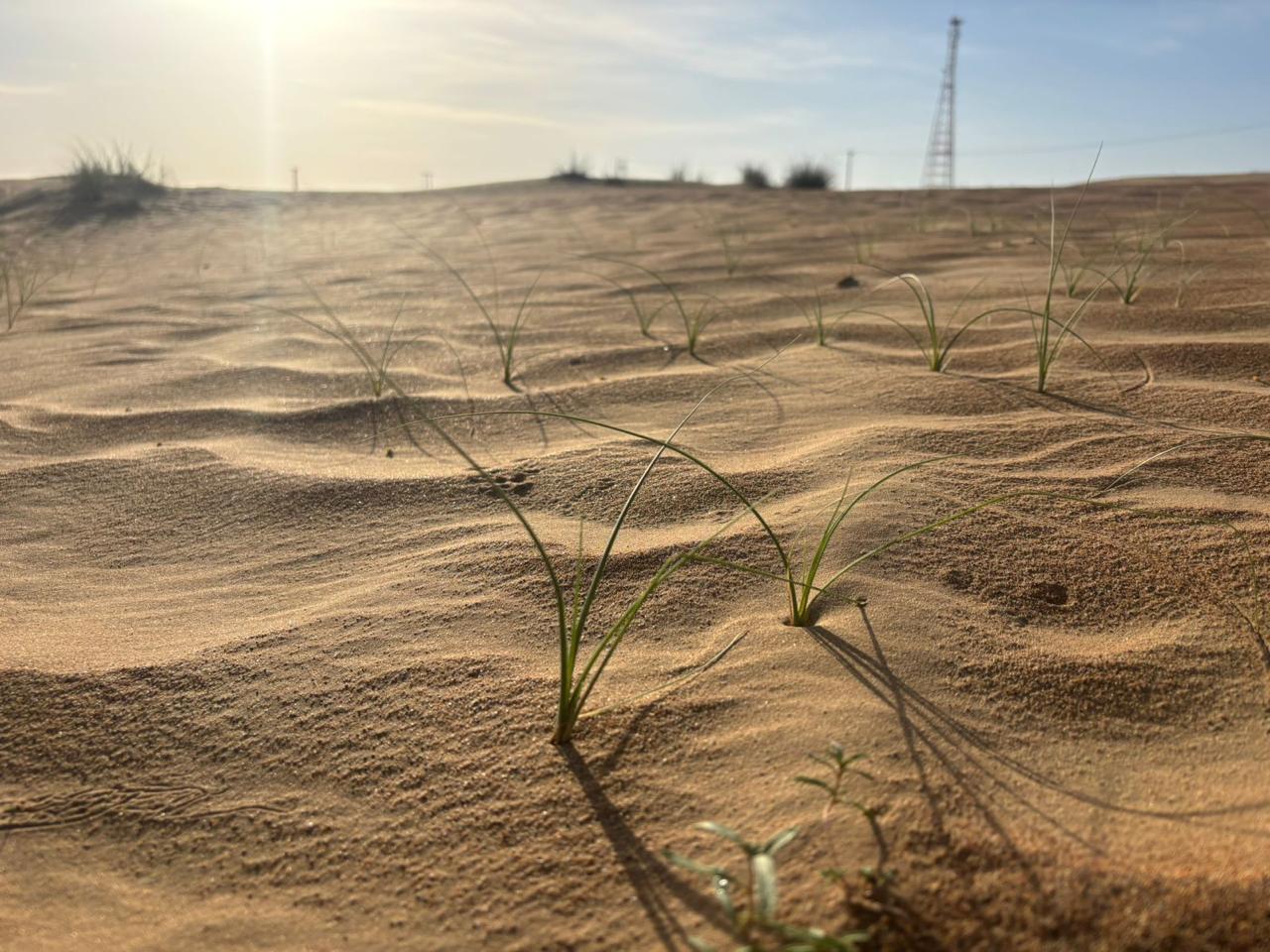
Nature has always functioned as a connected system. Climate, land, water, and life continuously influence one another. What has changed is not this reality, but our ability to understand it – and to act on it with greater clarity and confidence.
Climate change, water stress, land degradation, biodiversity loss, and demographic pressure are no longer independent issues. They are interacting forces within tightly coupled systems. The outcomes we see - environmental, economic, and social - are not the result of single decisions, but of how these systems behave together over time.
Sustainability, therefore, is not achieved through fragmented responses. It emerges from how intelligence, governance, and action are designed to operate across living systems.
Intelligence as a strategic capability
Artificial intelligence is often discussed as a technological breakthrough. In the context of sustainability, its importance is more practical and more strategic.
AI does not replace ecological science, field expertise, or policy judgment. Its value lies in helping institutions understand change as it happens - at the scale and pace of natural systems and translate that understanding into better decisions.
For a long time, decisions about nature were made with partial information. Data was slow, local, and fragmented. Chage was often detected late. Planning relied on historical patterns, even as conditions began to shift. The constraint has never been nature itself. It has been our ability to observe, interpret, and respond in time. That constraint is now easing.
Moving beyond fragmentation
Historically, environmental management relied on episodic data and siloed decision frameworks. Field surveys were intermittent. Data was fragmented across institutions. Ecological change often became visible only after critical thresholds had already been crossed.
As environmental pressures accelerate under climate pressure, traditional approaches struggle to keep up. Linear planning and static baselines are no longer sufficient in systems defined by variability and uncertainty.
This is not a failure of intent. It is a limitation of system design.
What sustainability increasingly requires is continuous intelligence – the ability to observe ecosystems consistently, understand what those signals mean, and adapt decisions as conditions evolve.
Designing closed intelligence loops
The most effective sustainability systems operate as adaptive loops rather than fixed plans. Intelligence flows continuously between observation, decision-making, action, and verification.
In practice, this closed intelligence loop follows a clear and repeatable sequence:
- Sense – Land, water, and coastlines are observed continuously through satellites, drones, field data, and sensors, rather than assessed episodically.
- Understand – AI helps connect what is happening across space and time, revealing patterns, trends and early signs of stress or recovery.
- Decide – With clearer insight, action can be tested against multiple future conditions, not a single expected outcome, supporting better prioritization and longer-lasting decisions.
- Verify – Progress is tracked and measured over time, making outcomes visible, comparable, and trusted.
Scaling nature-based solutions with confidence
Nature-based solutions are now central to global climate and resilience strategies. Their potential is well established, yet investment remains far below what is required.
Scaling these solutions is therefore not only a question of intent. It is a question of confidence.
Decision-makers need clarity on where interventions will succeed, how ecosystems are responding, and whether outcomes are durable over time.
AI-supported ecosystem intelligence helps build that confidence by making change visible, measurable, and verifiable over time.
In the UAE, Nabat’s work with national partners demonstrates how combining continuous observation with field-validated insight can guide where and how to intervene, while providing clearer visibility into long-term ecosystem recovery at scale.
Trust as a design requirement
Trust is not a byproduct of sustainability systems; it is a design requirement.
When monitoring and verification are embedded from the outset, transparency increases – and with it, confidence among governments, investors, and communities.
This confidence is what enables scale.
Conclusion: strategy in service of living systems
AI offers a new way to understand the planet - not as disconnected signals, but as an interconnected system in motion.
The opportunity ahead is not simply to deploy more technology, but to design intelligence with responsibility and intent.
Sustainability is about alignment. Alignment between human systems and the natural systems that sustain them. When intelligence is designed with are, discipline, and purpose, it can help restore that alignment.
That is the direction forward – clearer insight, better decisions, and durable impact, working with living systems at the scale they require.